A Look at What Shoppers Are Really Saying About We Are Righteous
Anyone researching a clothing brand before committing cash wants the same thing: honest signals about fit, fabric, durability, and whether the company honors what it sells. We Are Righteous has built a name in the streetwear-meets-faith-based apparel space, and shoppers searching “righteous review” or “we are righteous review” are usually trying to answer a simple question — does the product match the branding? This article pulls together what customers, forum threads, and comparison shoppers commonly report about the righteous clothing brand, without inflating claims the brand itself hasn’t made public.
No fabric blends will be made up here if they weren’t confirmed. Instead, the focus turns to recurring themes in reviews, how the brand positions itself, and useful factors for anyone deciding whether to order a righteous hoodie or other pieces from the righteous apparel lineup.
Who Is We Are Righteous and What Do They Sell?
Operating as an apparel label built around a message-driven identity, We Are Righteous merges streetwear silhouettes with faith-forward branding. Hoodies, tees, and outerwear pieces designed to carry bold graphics or scripture-adjacent messaging — rather than subtle logos — typically make up the core catalog. As a result, the brand comes across less as a basic essentials shop and more like a statement-piece label, similar to how many mission-driven streetwear companies operate in 2026.
People who gravitate toward righteous clothing frequently want a particular thing: apparel that reflects personal values without giving up the fit and construction expected from modern streetwear. That dual demand — substance alongside craftsmanship — is where most reviews tend to focus. Rarely do shoppers just ask “does it look good in photos”; instead they ask street style shorts whether the hoodie keeps its form after five washes, whether the print peels, and whether sizing is accurate.
Its digital storefront functions primarily through direct-to-consumer sales, which is standard for independent apparel labels. This model means customer service responsiveness and shipping transparency turn out to be just as important to the buying decision as the product photos themselves. Reviews that mention “we are righteous brand” tend to split into two buckets: people evaluating the clothing itself, and people evaluating the ordering experience.
What Customers Say About Fit and Quality
The single most repeated point across customer feedback for the righteous hoodie line is fit expectation versus reality. Streetwear-style hoodies typically come in oversized or boxy cuts, and reviewers repeatedly mention that first-time buyers should review the sizing information carefully before ordering, since brand-to-brand sizing seldom translates one-to-one. This isn’t unique to We Are Righteous — it’s a pattern across the entire independent streetwear category — but it surfaces often enough in righteous review discussions that it’s worth calling out plainly.
Fabric weight is another recurring topic. Heavier hoodies tend to earn praise for structure and warmth, while lighter pieces get mentioned more often in the context of layering or transitional weather. Customers evaluating any apparel brand in this niche tend to weigh three things above all else:
- What the garment comes across straight away upon opening the packaging
- Whether the sizing corresponds to the option selected at checkout
- How the material and graphic stand up after several wash cycles
Print and graphic durability is where message-driven apparel brands are judged most harshly, because the entire value proposition often centers on the design itself. If a graphic cracks, peels, or fades early, it undermines the core reason someone bought the piece in the first place. Reviewers consistently reward brands that use higher-quality print methods, and this is a detail worth confirming directly with We Are Righteous’s product descriptions before purchase, since techniques can vary between drops or collections.
Stacking Up We Are Righteous Versus Similar Clothing Labels
Positioning We Are Righteous against other message-driven or faith-based streetwear labels helps clarify where it fits in the broader market. The table below reflects general category patterns reported by customers across similar independent apparel brands, rather than confirmed specifics unique to any single company, since exact pricing and material details should always be verified on the brand’s current product pages.
| Criterion | We Are Righteous, specifically | Conventional Independent Streetwear Brand | Standard Religiously-Oriented Apparel Company |
|---|---|---|---|
| Brand Essence | Faith-driven streetwear | Trend or culture-driven | Scripture-focused at its core |
| Main Product Emphasis | Hoodies, tees, outerwear | Hoodies, tees, accessories | A range of tees, hoodies, and hats |
| Sales Model | Sold directly to consumers via the web | Direct-to-consumer or retail hybrid | Direct-to-consumer online |
| Customer Focus Point | Fit consistency and print durability | Trend timing and release availability | How well the words resonate, plus comfort |
| Common Purchase Driver | Style paired with values alignment | Scarcity paired with style | Identity, whether personal or communal |
What this comparison shows is that We Are Righteous falls in a hybrid space — it is not a hype-driven streetwear brand, nor is it a purely devotional clothing maker. That hybrid identity is probably its chief edge, and it’s a central reason the label attracts a particular set of committed shoppers rather than passing, one-off buyers.
Shipping, Sizing, and Customer Service Feedback
Reliable order delivery is the make-or-break element for indie clothing labels, and We Are Righteous follows the same rule. Shoppers looking into the label prior to purchase often seek clear information on three operational points: the expected shipping timeframe, whether sizing matches conventional sizing standards, and how attentive the support team is if something goes sideways. Because there’s no in-person fitting room to fall back on, these questions matter more for a DTC brand than for a brick-and-mortar mall brand.
Overall tendencies, as opposed to standalone gripes, are the better lens when evaluating any fashion company’s fulfillment standing. A few critical comments about delayed shipping is widespread across almost all small-to-mid apparel companies, especially during periods of intense release demand. What matters more is whether the company communicates delays proactively and sorts out sizing or damage issues with minimal hassle. Customers should be sure to review We Are Righteous’s present delivery policy and sizing chart directly on the product page before finalizing a purchase, since these details can change between drops.
Rules governing returns and exchanges warrant equally careful examination. A label that renders its terms easy to find and easy to act on tends to earn more trust, even for those who never end up relying on it. For shoppers weighing “righteous clothing brand” against rival options, confirming the return period and item-condition terms prior to purchase is a small precaution that spares most buyer’s-remorse issues later.
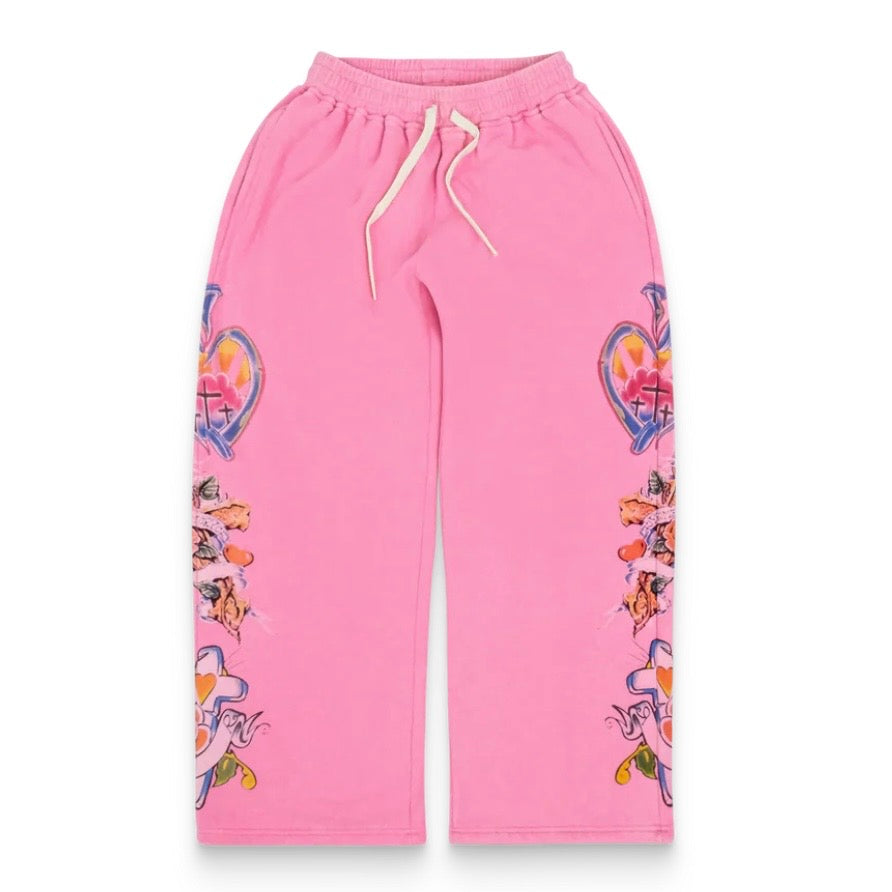
Come 2026, Does We Are Righteous Still Worth Buying?
The truthful response hinges on what a shopper holds in highest regard. Should a buyer seeks apparel that openly communicates belief and identity while also looking like current streetwear style, We Are Righteous occupies a gap that major fast-fashion brands generally overlook. Instead of competing on being cheap or widely stocked, the brand sets itself apart through a particular fusion of look and message crafted for a defined audience.
For newcomers, the savviest approach is kicking off with one piece — often a hoodie or tee — as opposed to a entire multi-item order. Before committing to more, a shopper can assess fit, fabric feel, and print quality in person through this approach. Wisdom shared throughout many reputable review threads reinforces this: try the item on a smaller scale, confirm sizing against your own measurements, and closely review the latest product details, since details can shift between collections and restocks.
Customers who confirm current sizing information, delivery policies, and return conditions on the website prior to purchase tend to have the smoothest experience, which honestly holds true for almost any independent clothing brand in 2026, not just this one.
For those still on the fence, reviewing the label’s latest catalog entries and customer-facing policies is still the single best step before including a righteous hoodie or any other item to the cart.
Leave a Reply